
Pharmaceutical Powder
Leading Exporters and Wholesaler of Lidocaine Hydrochloride Powder, Noopept Powder, Phenacetin Powder and Pregabalin Powder from Dar es Salaam.
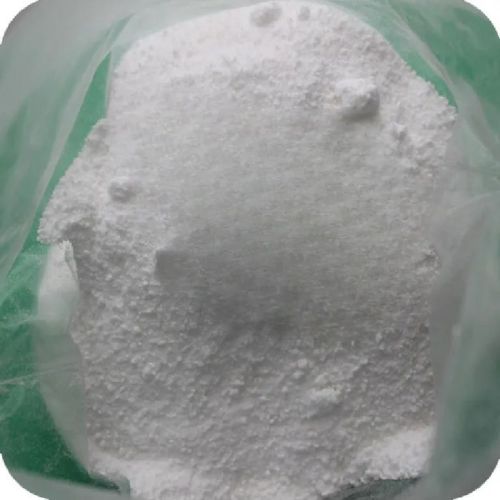
| Business Type | Exporter, Supplier |
| CAS | 73-78-9 |
| EINECS | 200-803-8 |
| Molecular Formula | C14H23ClN2O |
| Molecular Weight | 270.8 |
| Appearance | White Crystalline Powder |
| Melting Point | 80-82°C |
| Assay | 99% |
Lidocaine Hydrochloride, as a local anesthetic, is characterized by rapid onset and moderate efficacy. Therefore, lidocaine is suitable for infiltration, blockage and surface anesthesia. Long-acting substances such as bupivacaine are sometimes preferred for subdural and epidural anesthesia. On the other hand, lidocaine has the advantage of rapid onset. It stops bleeding in the arteries where the adrenaline (aka epinephrine) contracts and can also delay the absorption of lidocaine, almost twice as long as the duration of anesthesia. For topical anesthesia, several available preparations can be used. For endoscopy, before intubation and more. Buffered lidocaine pH makes local freezing less painful. Lidocaine eye drops can be used for short eye surgery.
Lidocaine Hydrochloride Application
Lidocaine Hydrochloride can be applied to the skin in a cream or (with caution) in a gel to mucous membranes to produce numbness – and therefore reducing pain. Sprays for treating sunburn, insect bites, or poison ivy often include Lidocaine as the main ingredient. Lidocaine is used in dental procedures as a way of numbing an area before applying an injection. It is also often found in over-the-counter medications for pain relief. In the convenient powder form we offer for sale, lidocaine can be easily dissolved in liquids or mixed with cream for topical application to large areas of the skin.
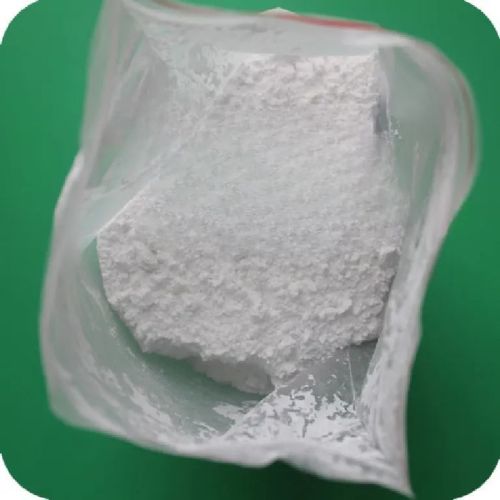
| Business Type | Exporter, Supplier |
| Alias | N-(1-(Phenylacetyl)-L-prolyl)glycine Ethyl Ester |
| CAS No. | 157115-85-0 |
| Molecular Formula | C17H22N2O4 |
| Molecular Weight | 318.37 |
| Assay | 99% |
| Appearance | White Crystalline Powder |
| Grade | Food Grade, Medicine Grade |
Noopept is a popular cognitive-enhancing supplement in the nootropic community. Proposed mechanism of actions based on preclinical studies include increasing acetylcholine signaling, increasing the expression of BDNF and NGF, protecting from glutamate toxicity, and increasing inhibitory neurotransmission in the brain.
Noopept Powder Benefits and Effects
- Memory and Learning
- Neuroprotective Properties
- Increased levels of NGF
- Increased levels of BDNF
- Improves Associations between Brain Hemispheres
Noopept Powder Dosage
Due to its incredible potency, the recommended dosage of Noopept is relatively small, usually 10 to 20 mg taken as often as three times daily. Dosage should not exceed 40 mg in a 24-hour period.
How to take Noopept?
In powder form, Noopept is usually placed under the tongue or mixed with water and drunk. Effects are felt quickly after administration, as fast as within 15 minutes.
Noopept is recommended to take Noopept for 1.5-3 weeks and then, if necessary, to begin another cycle after a 1-month break. Alternatively, many nootropic users follow a cycle of 56 days on and 4 days off.
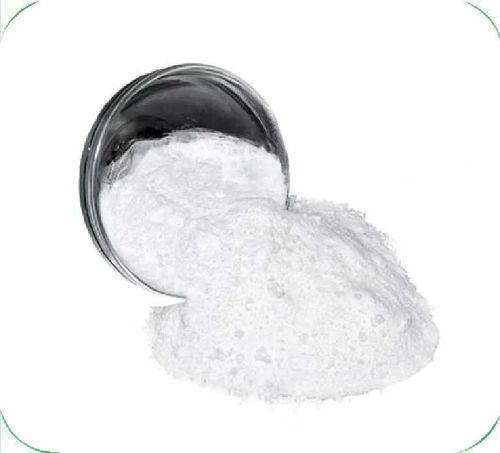
| Business Type | Exporter, Supplier |
| Melting Point | 133-138°C |
| Boiling Point | 355.1°C |
| CAS Number | 62-44-2 |
| EINECS Number | 200-533-0 |
| Formula | C10H13NO2 |
| Molecular Weight | 179.2157 |
| Density | 1.099g/cm3 |
| Flash Point | 168.5°C |
| Water Solubility | 0.076g/100mL |
| Vapor Pressure | 3.21E-05mmHg At 25°C |
Usage :
Analgesic, antipyretic. Component of APC tablets, analgesic mixture also containing aspirin and caffeine. Phenacetin is reasonably anticipated to be a human carcinogen; analgesic mixtures containing Phenacetin are listed as known human carcinogens.
Phenacetin is an analgesic, once widely used; its use has declined because of its adverse effects, some of which are described in the following. Its analgesic effects are due to its actions on the sensory tracts of the spinal cord. In addition, phenacetin has a depressant action on the heart, where it acts as a negative inotrope. It is an antipyretic, acting on the brain to decrease the temperature set point. It is also used to treat rheumatoid arthritis (subacute type) and intercostal neuralgia.
The painkiller phenacetin was the worlds first synthetic pharmaceutical drug. It was developed by an American chemist and began distribution in 1887. Phenacetin was often accompanied by aspirin and caffeine in what were called APC pills, which were widely distributed during and after World War II. The use of phenacetin in the U.S. was discontinued in the 1980s because of links to cancer and other adverse side effects, but it remains available in some countries.
Phenacetin is a white crystalline powder with the chemical composition C10H13NO2. It was first developed by Harmon Northrop Morse in 1878. In addition to its pain-reducing properties, it also has been used as a fever-reducer, a treatment for rheumatoid arthritis and a treatment for intercostal neuralgia, a rare disorder that causes pain in the nerves around the ribs. It was one of the first painkillers that was not derived from opium while at the same time being absent of anti-inflammatory qualities.
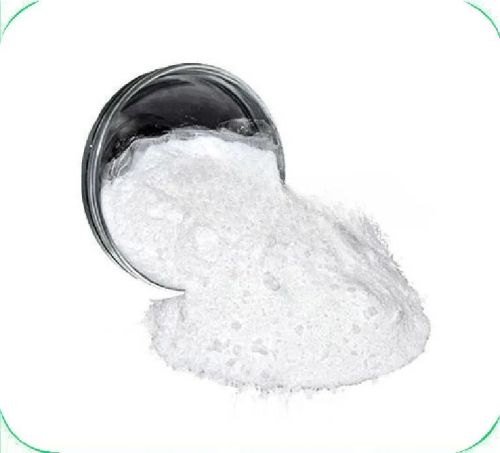
| Business Type | Exporter, Supplier |
| Boiling Point | 274.0±23.0 °C At 760 MmHg |
| Molecular Formula | C8H17NO2 |
| Melting Point | 194-196°C |
| CAS Number | 148553-50-8 |
| Molecular Weight | 159.226 |
| Density | 1.0±0.1 G/cm3 |
| MSDS | Chinese, USA |
| Flash Point | 119.5 |
Pregabalin Powder (Lyrica) is an anti-epileptic drug, also called an anticonvulsant. It works by slowing down impulses in the brain that cause seizures. Pregabalin also affects chemicals in the brain that send pain signals across the nervous system.
Pregabalin Powder is used to treat pain caused by fibromyalgia, or nerve pain in people with diabetes (diabetic neuropathy), herpes zoster (post-herpetic neuralgia), or spinal cord injury.
Pregabalin works by reducing the abnormal electrical activity in the brain. It is taken alongside other medicines for epilepsy. Pregabalin can also be helpful in treating the symptoms of generalised anxiety disorder (GAD), particularly if other medicines which are more often prescribed for people with this condition are not suitable. GAD is a long-term condition where anxiety is a major symptom.
Pregabalin belongs to a group of medicines known as anti-epileptic medicines, although it is prescribed for the treatment of several different conditions. You may have been prescribed it for the treatment of partial seizures, which is a type of epilepsy. A seizure is a short episode of symptoms which is caused by a burst of abnormal electrical activity in the brain.
With a partial seizure, the burst of electrical activity stays in one part of the brain. Therefore, you tend to have localised or ‘focal’ symptoms. Pregabalin is also prescribed to treat certain types of long-lasting pain caused by damage to nerves. This type of pain, called neuropathic pain, can be caused by a number of different conditions, including diabetes (where it is called diabetic neuropathy) and shingles(where it is called postherpetic neuralgia).
Function
- Pregabalin powder is a novel γ-aminobutyric acid (GABA) receptor agonist, can block the voltage-dependent calcium channels to reduce neurotransmitter release.
- The main clinical for the treatment of peripheral neuropathic pain as well as part of adjuvant treatment of focal seizures.
- Treatment of epilepsy in developing the most promising drug in a drug treatment better
